Eco-Friendly Childproofing: Safety Without the Chemicals
14 April 2026
Let’s be honest, parenting is already a full-time adventure — equal parts heart-melting moments and nerve-racking chaos. And when it comes to keeping our little ones safe at home, things can get a little…well, overwhelming.
From sharp corners to slippery floors, we spend a good amount of time toddler-proofing our homes. But here’s the twist — while we’re blocking staircases and locking cabinets, are we unintentionally introducing harmful chemicals into our child’s environment?
Yep, that’s the slippery slope of conventional childproofing — it can be full of plastic, toxic adhesives, and other nasties we don't usually think twice about. But don’t worry, you don’t have to choose between safe and sustainable. Welcome to the world of eco-friendly childproofing where we keep the home safe for babies and kind to the planet. Win-win!
Why Choosing Eco-Friendly Childproofing Matters
Plastic, Plastics Everywhere
Walk into any baby aisle and bam! — you're hit with a wave of plastic. Most childproofing products (think outlet covers, cabinet locks, baby gates) are made from petroleum-based plastics. These aren’t just unsightly — they’re hard to recycle, often contain harmful chemicals like phthalates or BPA, and they inevitably end up in landfills after baby outgrows them.Harmful Chemicals in “Safety” Products?
Ever wondered what’s in the adhesives of those corner bumpers? Or the foam you use to pad your coffee table? Many traditional childproofing materials are laced with flame retardants or VOCs (volatile organic compounds) which can off-gas into your home. Ironically, in trying to protect our babies, we might be exposing them to hidden toxins.Our Babies Deserve Better
Babies are curious creatures — always crawling, chewing, and touching everything. Their developing bodies are more vulnerable to chemical exposure than ours. Choosing non-toxic, sustainable options gives your child a safer start without compromising on protection.
Getting Started with Green Childproofing
Let’s break this down. Eco-friendly childproofing isn't about being perfect — it's about making smarter, more conscious choices. Here’s where to begin:1. Audit Your Home from a Baby’s Point of View
Get down on the floor — literally. See the world from your baby’s eye level. What would you try to pull? Chew? Climb? This helps you identify what needs to be childproofed — and where eco-friendly swaps can happen.2. Look for Non-Toxic Certifications
When shopping, keep an eye out for terms like:- GREENGUARD Gold Certified
- BPA-free, PVC-free, Phthalate-free
- Formaldehyde-free wood
- OEKO-TEX® for textiles
These labels aren’t just fluff — they actually matter when it comes to chemical safety.
Eco-Friendly Childproofing Solutions for Every Room
Let’s go room by room, shall we?Living Room
Problem: Sharp furniture corners, wobbly tables, and electrical outlets galore.Eco-Friendly Fixes:
- Natural Rubber Corner Guards: Ditch the synthetic foam for corner protectors made from natural rubber or cork. Soft, sustainable, and chew-safe!
- Wooden Baby Gates: Look for gates made from sustainably harvested wood with non-toxic finishes. Skip the cheap plastic!
- Wool Felt Outlet Covers: Instead of plastic, try wool or natural felt outlet plugs — they’re snug, safe, and oh-so-stylish.
Pro-Tip: Repurpose what you have! An unused ottoman? Place it in front of a low TV stand to block curious hands.
Kitchen
Problem: Hazards here are everywhere — hot stoves, cleaning products, breakables.Eco-Friendly Fixes:
- Magnetic Cabinet Locks: These genius locks are hidden and can be installed with screws (not toxic adhesives). Choose brands that use recycled materials and avoid PVC.
- Non-Toxic Drawer Bumpers: Go for bumpers made of silicone or natural rubber instead of petroleum-based foams.
- DIY Safety Gates: Upcycle an old wooden door or shutter into a rustic-chic safety gate. Cute and eco-friendly!
Hot Tip: Store cleaning products up high or opt for DIY green cleaners — baking soda, vinegar, and lemon can tackle most messes!
Bathroom
Problem: Slippery floors, medications, and all those bath toys!Eco-Friendly Fixes:
- Bamboo Slip-Resistant Mats: Unlike plastic mats that trap water and mold, bamboo is naturally antibacterial and dries quickly.
- Organic Cotton Toilet Lid Locks: Some beautiful Etsy creators craft toilet locks using non-toxic materials and strong Velcro. Who knew safety could look this good?
- Non-Toxic Bath Toys: Ditch the squirt toys (hello, mold!) and pick up solid natural rubber or untreated wood toys. They’re safer and longer lasting.
Nursery
Problem: Cords, cribs, choking hazards — and furniture that might tip!Eco-Friendly Fixes:
- Anchor Furniture with Hemp Straps: Instead of plastic straps, look for furniture anchors made with natural fibers and metal hardware.
- Natural Fiber Bumpers: If you’re still using crib bumpers (FYI: not recommended for babies under 1 year), go for organic cotton or wool instead of chemically treated ones.
- Cord Organizers Made from Bamboo: Tidy up window cords and electronics with stylish bamboo boxes or wraps.
Little Tip: Use a handmade toy box with a soft-close lid. No pinched fingers and no off-gassing paint!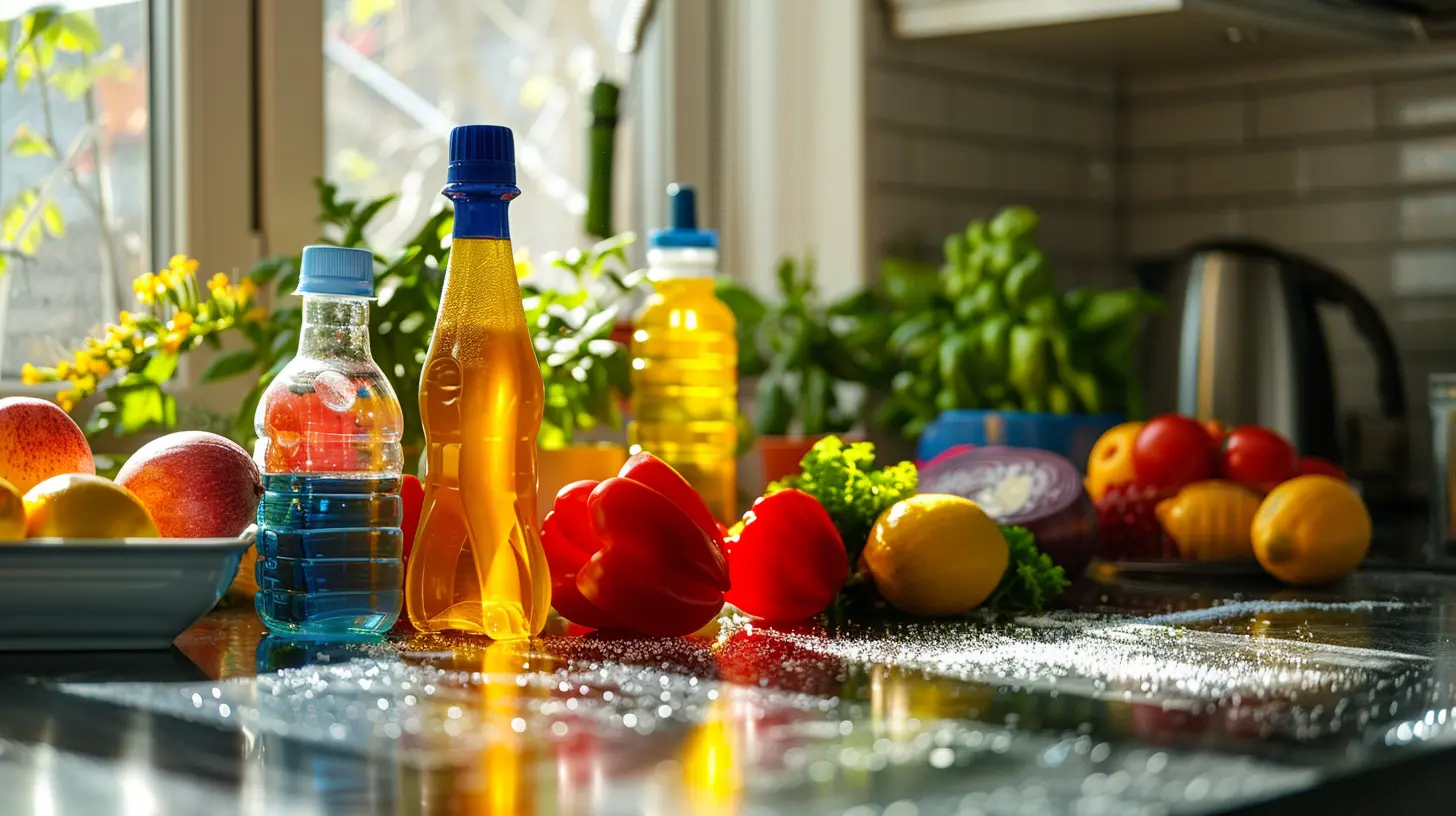
The Power of Upcycling: Childproofing on a Budget
Let’s be real — parenting isn't cheap. But eco-friendly doesn’t always mean expensive. In fact, you can upcycle and DIY so many safety solutions with things you already have.Here are a few fun ideas:
- Pool noodles as door stoppers — Cut a slit in the side, slap it on the door edge. Boom — tiny fingers protected!
- Old towels as edge bumpers — Wrap them around sharp corners and secure with zero-VOC double-sided tape.
- Repurpose glass jars — Store out-of-reach items in glass instead of buying plastic bins.
Not only are you reducing waste, but you're also adding your own creative touch. Martha Stewart, watch out.
Shopping Smart: Red Flags to Avoid
While you’re browsing those adorable baby-proofing products with earthy packaging, don’t forget to read the fine print. Here’s what to watch:- Unclear Material Lists: If it doesn’t say what it’s made of, it’s probably not good.
- Imported Cheap Knock-Offs: Some overseas plastics don’t meet safety standards — they may contain lead or carcinogenic dyes.
- "Natural" Greenwashing: Spoiler alert — “natural” doesn’t always mean non-toxic. Look for real certifications.
Eco-Safety Isn’t About Perfection
Let’s take a deep breath, mama (or papa). You don’t have to swap out everything overnight. Choose a room to start. Pick a few key items. Baby steps — literally!Eco-friendly childproofing is less about being Instagram-perfect and more about being intentional. It's about creating a space where your baby can explore, stumble, and learn — safely and sustainably.
With each decision you make, you’re not just protecting your child today — you’re protecting the planet they’ll inherit tomorrow.
Final Thoughts: Raising Safe, Green-Savvy Kids
At the end of the day, raising little eco-warriors starts at home — quite literally on the living room floor. When kids grow up in a space that values health, safety, and sustainability, they carry those lessons for life.Childproofing doesn't have to be ugly, plastic-filled, or chemical-laden. With a bit of creativity and conscious planning, your home can be a sanctuary — for your baby, for you, and for Mother Earth.
So here's to soft landings, safe corners, and small feet padding through a toxin-free world. You've got this!
all images in this post were generated using AI tools
Category:
ChildproofingAuthor:

Max Shaffer
Discussion
rate this article
2 comments
Jolene McLaurin
Love this! Eco-friendly solutions make childproofing safe and sustainable—great tips!
April 21, 2026 at 4:30 PM
Max Shaffer
I'm glad you found the tips helpful! Eco-friendly solutions can make a big difference for both safety and the environment.
Shannon Barrett
What a thoughtful approach to childproofing! It’s refreshing to see tips that prioritize both safety and environmental health. Thank you for sharing these practical, chemical-free solutions that help create a safe space for our little ones and the planet.
April 16, 2026 at 4:53 AM
Max Shaffer
Thank you for the kind words! I'm glad you found the tips helpful. Creating safe spaces for our kids while protecting the planet is so important.