Debunking Common Myths About Attachment Parenting and Spoiling Children
13 February 2026
Let’s be real for a second—parenting advice is handed out more freely than candy on Halloween. Everyone from your Aunt Linda to your neighbor’s dog walker seems to have an opinion on how you should raise your child. And when it comes to attachment parenting, well, buckle up, because the myths come in hot and heavy.
So if you’ve ever been told that cuddling your baby too much will turn them into a stage-five clinger, or that co-sleeping will ruin their shot at adult independence, this one’s for you. We're going to toss those myths out like last week’s leftovers and break down what attachment parenting is really about—and why it’s not going to spoil your child like a banana forgotten in a minivan.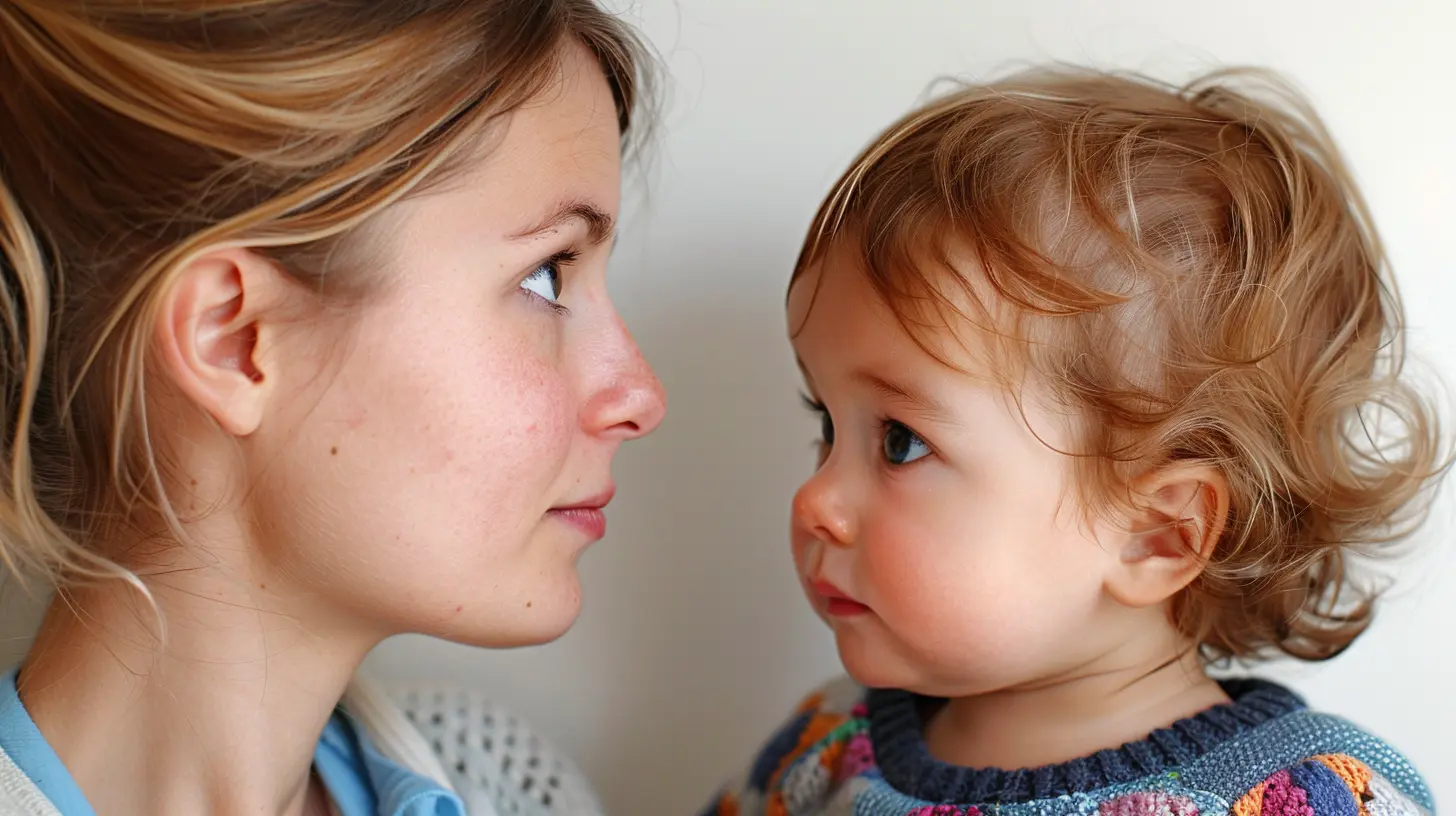
What Exactly Is Attachment Parenting Anyway?
Before we go myth-busting, let’s get one thing straight: attachment parenting isn’t some weird cult. It’s not about breastfeeding until your child’s in college or turning your living room into a co-sleeping commune.At its core, attachment parenting is about responding to your child’s needs with sensitivity and consistency. It's rooted in basic biology and decades of child development research. Think: holding, comforting, feeding on demand, and building a strong, secure bond between parent and child.
Sound like common sense? That’s because it kind of is. But that hasn't stopped the myths from piling up faster than laundry on a Monday.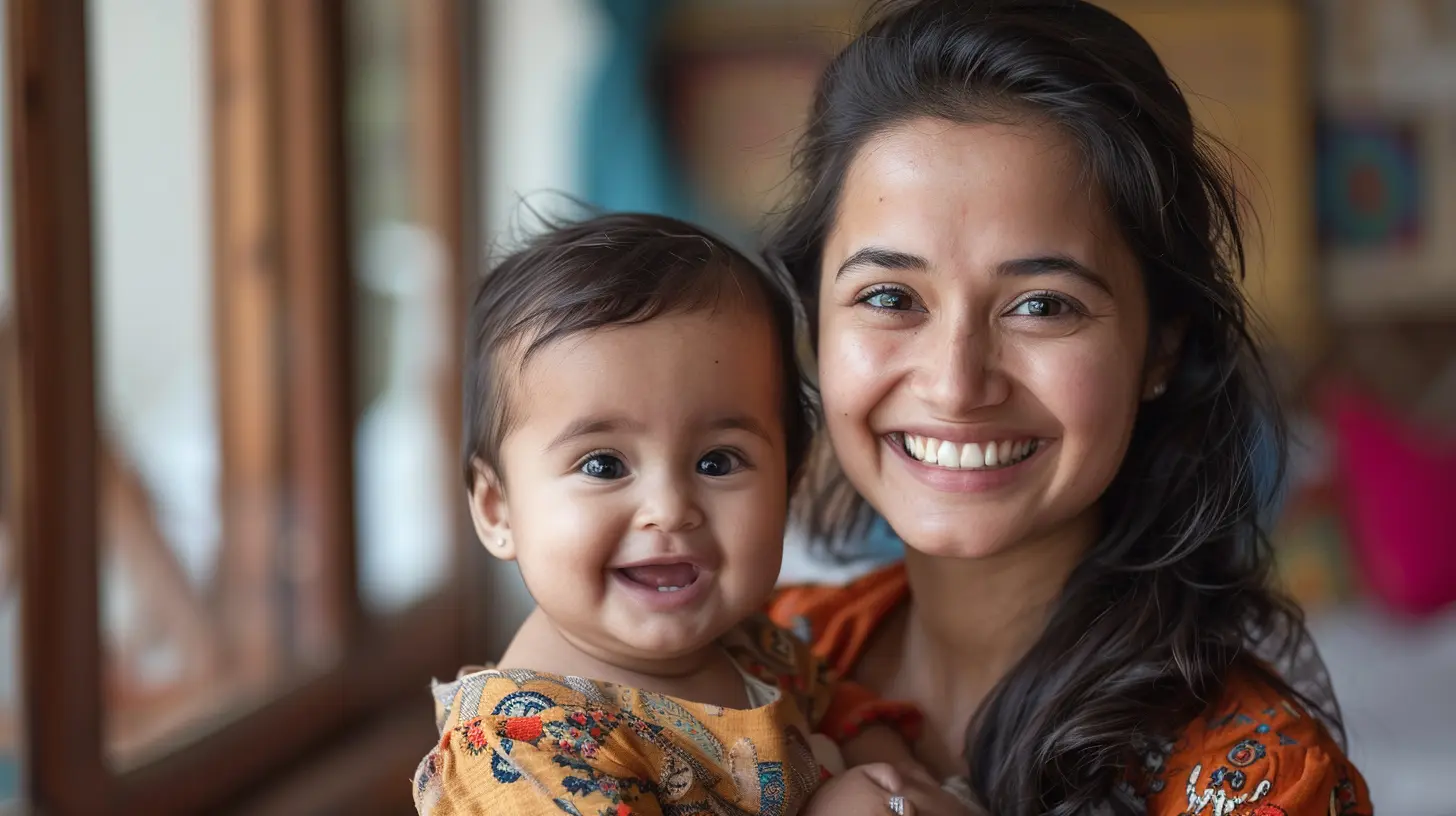
Myth #1: “You’re Going to Spoil That Baby!”
Ah yes, the classic. You pick up your crying baby and suddenly everyone’s a parenting expert. “If you’re always holding him, he’ll never learn to be independent!”Let’s break this down. Babies cry because they need something. Sometimes it’s milk. Sometimes it’s comfort. Sometimes they just need to know that you’re nearby and the world isn’t ending.
Responding to those cries doesn’t spoil a child—it builds trust. It's kind of like your partner bringing you coffee when you’ve had a rough night. Do you then expect coffee every time? Well, maybe. But more importantly, you feel seen and loved.
Research backs this up. Studies show that babies who have responsive caregivers cry less in the long run and are more secure. Go figure.
Myth #2: “They’ll Never Sleep in Their Own Bed”
Cue ominous music: the dreaded bed-sharing myth.Yes, some attachment parenting families co-sleep. No, it doesn't mean your child will be 25 and still crawling into your bed at night (though college students do still bring home laundry, so...).
Co-sleeping, when done safely, can actually lead to better sleep for everyone involved. And here’s the kicker: kids naturally want independence. You won’t have to bribe them to get out of your bed forever. One day, they’ll want their own space, their own room, and heaven forbid you try to hug them in public.
Parenting is about meeting the child where they are. If that means sharing space until they feel ready to transition, that’s not spoiling—that’s supporting.
Myth #3: “They’ll Be Too Dependent!”
Irony alert: the very practices critics say will make a child clingy tend to produce the most confident, independent kids.Why? Because when kids know they have a safe haven, they’re more willing to explore. Imagine going to a new job where your boss yells every time you ask a question. You’d be terrified to try anything new, right? Now imagine a boss who supports you, cheers you on, and helps when you mess up. Boom—confidence.
Attachment parenting creates that kind of foundation. It’s less about raising Velcro children and more like building emotional scaffolding. Kids climb higher when they know the net is there.
Myth #4: “It’s Only for Stay-at-Home Moms”
This one’s just rude. Attachment parenting is a philosophy, not a full-time job title. Yes, being physically present helps, but it’s about quality, not quantity.Working parents can absolutely raise securely attached kids. It’s all in the day-to-day interactions: how you greet your child after work, how you handle tantrums, how you listen when they tell you about the weird bug they found at recess.
You don’t need to be with your child 24/7 to create connection. You just have to be present when you're present.
Myth #5: “Attachment Parenting is Just Helicopter Parenting in Disguise”
Let’s be clear: attachment parenting isn’t about hovering over your kid like a drone mom. It doesn’t mean solving every problem for them or never letting them fall.Instead, it’s about being responsive, not controlling. If your toddler wants to climb the slide backwards (and it’s not rush hour at the park), let them. If they want to wear rain boots with pajamas, cool. Attachment parenting allows space for kids to make choices and test limits, knowing that a safe, loving adult is there if things go sideways.
It’s not about control; it’s about connection.
Myth #6: “It’s Just a Trendy Parenting Fad”
While the term "attachment parenting" gained popularity in the 90s, the concept isn’t new. In fact, it’s how humans have parented for most of history—until modern society decided to invent cribs, pacifiers, and parenting books full of “expert” advice.Anthropologists point out that babies around the world are worn in slings, breastfed on demand, and sleep close to their parents as a norm. These aren’t new-age Pinterest hacks—they’re deeply rooted in human biology.
So no, it’s not a fad. It’s more a return to intuitive parenting—minus the saber-toothed tigers, thankfully.
Myth #7: “It’s Only for Crunchy Moms Who Make Their Own Yogurt”
Ah, the stereotype. You’ve probably seen it—mom in linen pants, baby in a wrap, kombucha brewing in the background. But attachment parenting isn’t a lifestyle brand. It’s not limited to a certain “type” of parent.Whether you're a vegan yoga instructor or a meat-loving engineer, attachment parenting can fit your family. You don’t need to breastfeed, babywear, or swear allegiance to organic kale to care deeply and respond consistently to your child.
The philosophy is flexible. It’s not all-or-nothing. No secret handshake required.
Reality Check: What Attachment Parenting Does Raise
Let’s flip the script and talk about what you do get from practicing attachment parenting:- Emotionally intelligent kids – They learn how to regulate emotions by watching you.
- Secure attachments – They trust that you’re there for them, which allows them to take risks and explore.
- Better behavior – Spoiler alert: Kids who feel connected are more cooperative.
- Resilience – They know how to bounce back, because they’ve had emotional support during hard times.
So no, your kid won’t be spoiled. They’ll be self-assured, kind, and probably better at handling their feelings than most adults on Twitter.
But What If I'm Not Perfect?
Let me let you in on a little secret: no one is.Attachment parenting isn’t about being a flawless emotional guru who never loses their temper or forgets the diaper bag. It’s about trying. It’s about making repair when you mess up. It’s about showing up again and again.
You don’t need to do it all to do it well. Even small, consistent efforts make a big difference. You’re building a relationship, not a résumé.
How to Handle the Naysayers (Without Losing Your Mind)
Let’s face it—there are always going to be people who question your parenting. Family members, strangers in the grocery store, even well-meaning friends.Here’s your strategy:
1. Smile and nod – Works like a charm.
2. Share research (if you feel like it) – Make sure they actually want to hear it.
3. Parent your way anyway – You know your kid. Trust your instincts.
At the end of the day, you’re the one doing the late-night wake-ups, the peanut butter sandwich negotiations, the “I lost my favorite sock” dramas. Your choices should support your values and your child’s needs—not someone else’s outdated idea of “what kids need.”
Final Thoughts: You Can't "Spoil" a Child With Love
Let’s retire the word “spoiled” when we’re talking about kids, shall we?You can spoil milk. You can spoil a surprise party. But you can’t spoil a child by loving them too much, responding to their needs, or building a secure connection.
Attachment parenting isn’t about overindulging. It’s about setting the foundation for a confident, compassionate, and emotionally healthy human being—and honestly, we could use a few more of those in the world.
So cuddle your baby. Rock them to sleep. Answer their cries. And next time someone warns you, “You’re going to spoil them,” smile and say, “I sure hope so.”
(And maybe give 'em a banana for their minivan, just in case.
all images in this post were generated using AI tools
Category:
Attachment ParentingAuthor:

Max Shaffer
Discussion
rate this article
2 comments
Spike Shaffer
Thank you for shedding light on these misconceptions! It’s refreshing to see a nuanced discussion of attachment parenting and its impact on child development. Great insights!
February 15, 2026 at 5:50 PM
Max Shaffer
Thank you for your kind words! I'm glad you found the discussion valuable.
Hugo McIntire
Embracing attachment parenting isn’t about spoiling, but nurturing deep connections that foster confidence and resilience. Let's celebrate the beautiful bond we create with our children, empowering them to thrive in a loving environment. Together, we can redefine parenting with love and understanding!
February 14, 2026 at 5:02 AM
Max Shaffer
Absolutely! Attachment parenting is about building strong, nurturing relationships that support children's growth and independence, not spoiling them. Let's continue to promote love and understanding in our parenting journey!