Creating a Supportive Environment for Positive Sibling Interactions
14 May 2026
Sibling relationships can be a total rollercoaster. One minute, your kids are laughing, creating epic Lego castles together, and the next, they’re full-blown enemies over who got the bigger cookie. Sound familiar?
As parents, we can’t script every conversation or prevent every squabble, but we sure can set the stage for healthier and happier sibling dynamics. Creating a supportive environment for positive sibling interactions isn’t just about breaking up fights—it's about laying the foundation for a lifelong bond.
Let’s dig into how you can turn the war zone into a cozy campfire of connection, cooperation, and (most days) calm.
Why Sibling Relationships Matter (More Than We Realize)
Before we dive into the how, let’s talk about the why.Sibling relationships are kids’ first real shot at social interaction. They’re messy, emotional, and full of life lessons. Think about it—this is where they learn to share, resolve conflict, and deal with jealousy, love, and competition—all under one roof.
Sibling bonds can become emotional safety nets that last a lifetime. In a world that’s fast-paced and sometimes overwhelming, having a sibling who “gets it” is golden.
But here’s the thing—it doesn’t just happen on its own. A little nudge (or a lot of guidance) from us parents can help shape these interactions positively.
Start With the Basics: Emotional Safety at Home
Creating a safe emotional environment is the very first step. Kids mimic what they see and feel. If your home is filled with criticism, yelling, or comparison, those vibes trickle down to how siblings treat each other.So, what does an emotionally safe environment look like?
- Open Communication: Let your kids know they can talk about anything without fear of getting in trouble or being judged.
- Role Modeling: Kids watch how you resolve conflict with your partner or even talk to the barista. If you keep it respectful and kind, they’re more likely to do the same.
- Validation Matters: When your child says they’re upset because their sibling got a bigger slice of cake (again), don’t brush it off. Let them feel heard—even if it seems petty.
Think of your home like a greenhouse. When it’s warm, nurturing, and safe, the relationships inside grow strong and healthy.
Ditch the Comparison Game
This one’s a biggie. We’re human, and sometimes we say things like, “Why can’t you be more like your sister?” without thinking twice. But comparison can poison sibling bonds faster than you can say “sibling rivalry.”Here’s how to keep comparisons out of the picture:
- Celebrate Individuality: Each child shines in their own way. One might be athletic, the other artistic—highlight their strengths without lining them up side by side.
- Avoid Labels: Don’t box your kids in with tags like “the smart one” or “the wild one.” Labels can stick, and they usually hurt more than help.
- Use Neutral Language: Instead of saying, “Your brother cleaned up without being asked,” try, “It’s helpful when everyone pitches in.” Subtle? Yes. Powerful? Absolutely.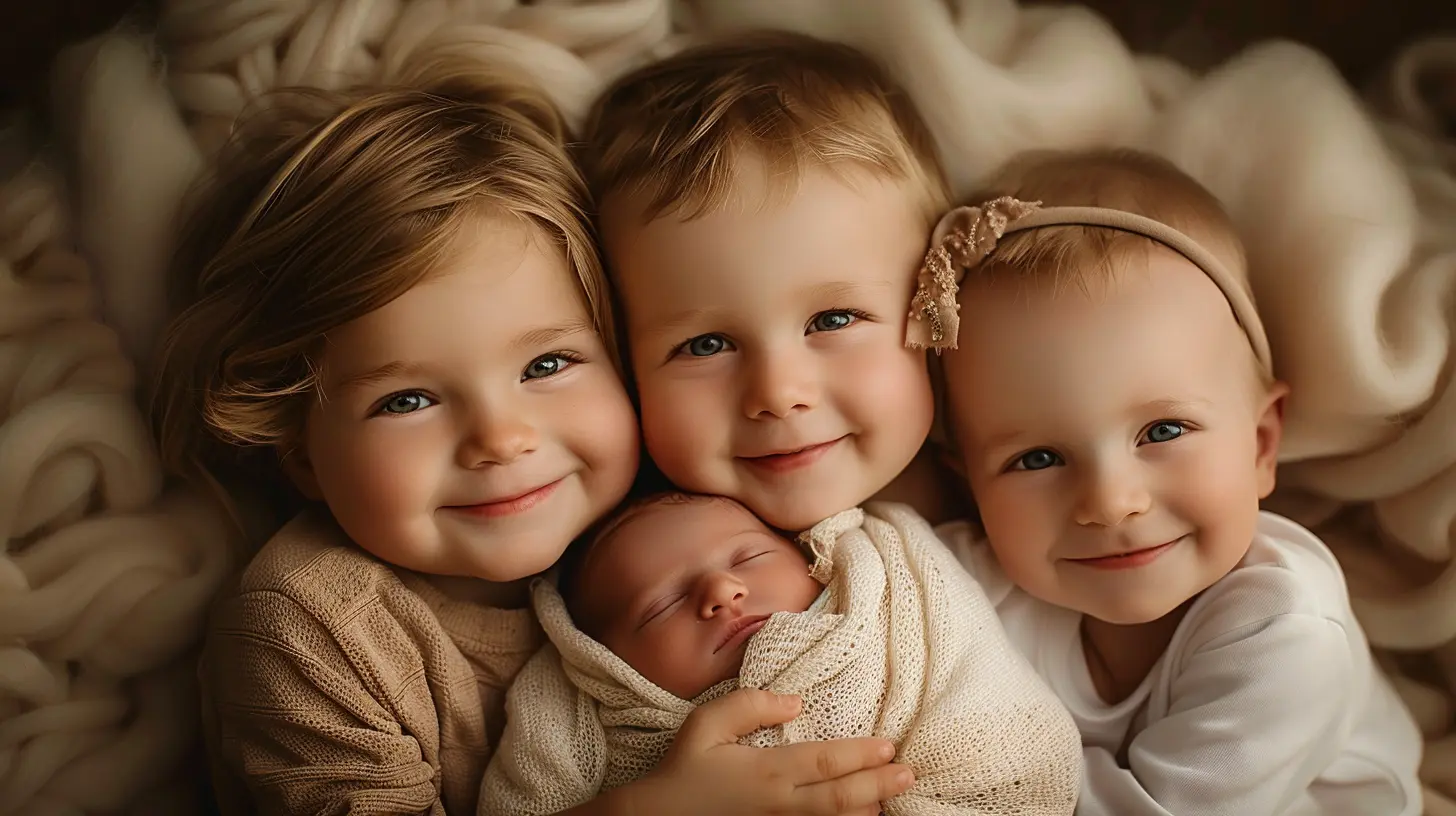
Set Ground Rules That Everyone Understands
Would you expect your kids to follow a game without rules? Nope. The same goes for their interactions at home.Establish a few family ground rules that keep things respectful and safe:
- No hitting, hurting, or name-calling
- Use kind words (or take a break if tempers flare)
- Everyone gets a turn to talk and be heard
- Personal belongings are off-limits without permission
These aren’t just rules—they're boundaries. And boundaries keep relationships healthy. Think of them like guardrails on a winding road; they keep the ride smoother and safer.
Teach Conflict Resolution Early (And Often)
Let’s face it—conflict is inevitable. The goal isn’t to eliminate it completely but to teach your kids how to handle it without turning your living room into a battlefield.Here’s how to coach them through it:
- Pause Before You Solve: Don't jump in and fix everything yourself (even if you’re tempted). Give them a chance to figure it out.
- Use Simple Conflict Language: Phrases like “I feel ___ because ___” help kids express emotion without pointing fingers.
- Encourage Listening: Teach them that listening isn’t just waiting to talk. It’s about trying to understand how the other person feels.
- Practice Problem-Solving Together: When a conflict ends, ask them, “What could we do differently next time?”
It’s like training mini diplomats. They won’t get it perfect every time—but with practice, they’ll become better at understanding themselves and each other.
Create Opportunities for Bonding
Sometimes, kids fight simply because they don’t spend enough quality time together. It’s like any other relationship—if it’s all chores and no fun, tension builds.Here’s how to encourage more shared smiles:
- Family Rituals: Taco Tuesdays, weekend game nights, or bedtime story sessions that involve all siblings.
- Collaborative Play: Cooperative games or puzzles where they work as a team, not competitors.
- Shared Responsibility: Tasks like baking cookies or building a fort get them communicating and cooperating.
Need an analogy? Think of sibling bonds like muscle—you’ve gotta flex it to build it. These shared moments act like reps that strengthen their connection.
Let Them Have Their Own Space Too
We just talked about togetherness, but here’s the twist—distance matters too.Kids need space to breathe, think, and just be. When boundaries blur and privacy disappears (especially in shared bedrooms), tempers flare.
How to give each child their own space (even in a small home):
- Create a cozy personal corner with their own pillows, books, or decorations
- Allow solo downtime after school or family events
- Respect their “no” when they don’t feel like playing
Balance is key. It’s like making a good soup—you need the right mix of ingredients, not just a heaping of one thing.
Talk About Feelings—Early and Often
Sometimes it’s not just the fight over toys. There’s often a deeper feeling underneath—jealousy, insecurity, or simply feeling unseen.Help your kids name their emotions. When they can say, “I’m mad because I feel left out,” they’re less likely to express their emotions by kicking their brother under the table.
Use tools like:
- Emotion wheels (for younger kids)
- Journaling (for older ones)
- Bedtime chats (for everyone)
Think of emotional vocabulary like a toolkit. The bigger it gets, the less likely your child is to hit someone when they're feeling overwhelmed.
Be a Present and Attuned Parent
It’s tempting to tune out when the bickering starts—trust me, we’ve all been there. But your presence matters.Being an emotionally tuned-in parent helps children feel secure, which reduces the need to battle for attention or control.
Here's what that looks like:
- Tune into your child’s mood and cues
- Give undivided attention (even if it’s just 10 minutes)
- Acknowledge their feelings without always trying to fix them
You’re the emotional thermostat of your home. When you stay calm and responsive, it keeps everyone else from boiling over.
Know When to Step In—and When to Step Back
Not every argument needs adult intervention. In fact, stepping in too often stops kids from learning how to handle things on their own.So, when should you step in?
- If there’s physical aggression
- If someone’s being emotionally bullied
- If the conflict is repeating in harmful ways
Otherwise? Step back and observe. Let your kids try to solve it themselves. It builds resilience, empathy, and confidence.
Celebrate the Small Wins
Sometimes we’re so focused on stopping the fights that we forget to highlight the moments that go right.Did they share a toy? Cheer it on! Did your older child help the younger one zip their coat? High-five all around!
Kids are more likely to repeat behaviors that are noticed and appreciated. Positive reinforcement is like sunshine—it makes the good stuff grow.
Final Thoughts: It's a Journey, Not a Destination
Look, sibling harmony doesn’t bloom overnight. It’s a path with bumps, twists, and the occasional meltdown in aisle five.But every time you guide your kids through conflict with kindness, every moment you model empathy instead of sarcasm, and every time you reinforce love over rivalry—you’re building something bigger than peace and quiet.
You’re building a family culture that says: We get mad, but we make up. We’re different, but we still belong. We mess up, but we always come back to love.
That’s the real magic.
all images in this post were generated using AI tools
Category:
Sibling BondingAuthor:

Max Shaffer
Discussion
rate this article
2 comments
Gunnar Jenkins
Building a supportive environment is key. Foster open communication and respect to turn sibling rivalry into lifelong friendship.
June 6, 2026 at 3:42 AM
Max Shaffer
I completely agree. Open communication and mutual respect can transform rivalry into a strong bond that lasts a lifetime.
Josie Rodriguez
Great tips! A supportive home truly makes a difference in sibling relationships.
May 16, 2026 at 4:26 AM
Max Shaffer
Thanks! A positive environment can really strengthen those bonds.