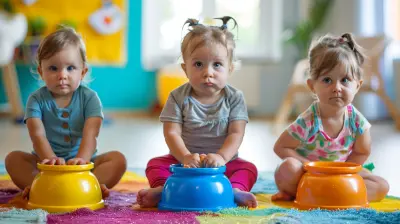
Creating a Home Where Siblings Thrive Together
29 August 2026
Every parent who has more than one child knows the truth that family photos never show: siblings are not born friends. They are born rivals for the same lap, the same toy, the same last slice of cake. The relationship between brothers and sisters is one of the most complex, emotionally charged, and longest-lasting bonds a person will ever have. And yet, most of us parent it by accident, reacting to fights and tears instead of building a foundation where that relationship can actually flourish.
The goal is not a home without conflict. That is neither realistic nor even desirable. Conflict is how children learn to negotiate, assert themselves, and understand another person's perspective. The real goal is a home where siblings feel safe enough to fight, secure enough to apologize, and connected enough to genuinely enjoy each other's company. That kind of environment does not happen by chance. It is built with intention, patience, and a willingness to look at your own behavior first.
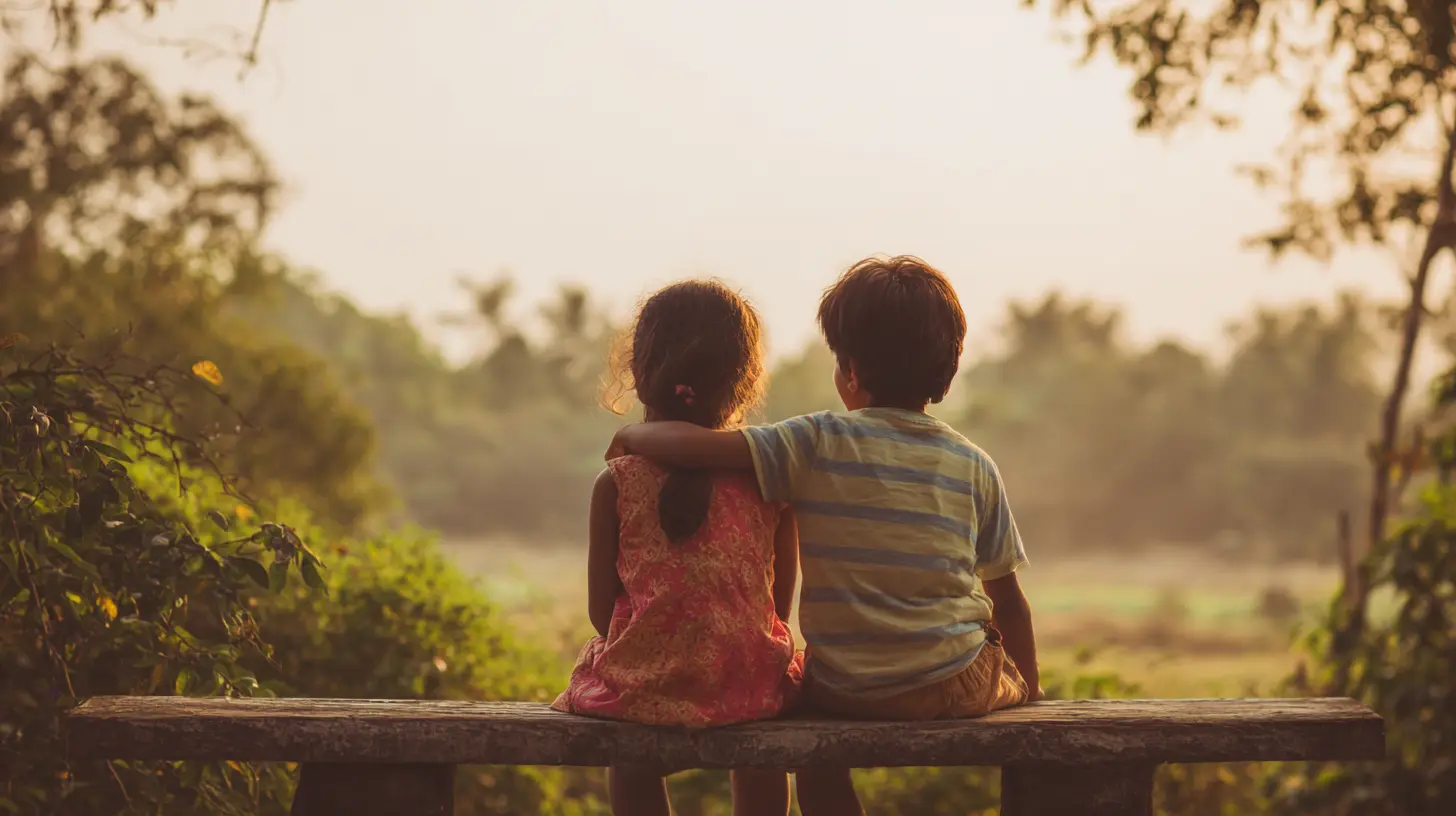
Why Sibling Rivalry Is Not the Real Problem
Most parents frame sibling conflict as a behavioral issue. They see two kids screaming over a remote control and think, "I need to fix this." But rivalry is rarely the root problem. It is a symptom of something deeper: a perceived threat to love, attention, or status within the family.Think about it from the child's perspective. A toddler who has been the center of the universe suddenly has to share their parents with a screaming newborn. A middle child watches the oldest get privileges and the youngest get grace, while they get neither. A child who struggles in school watches a sibling get praised for grades and wonders if they are loved less. These are not petty feelings. They are survival instincts. In a child's mind, losing parental love is a threat to their very existence.
So when you see your children fighting, the question is not "How do I stop this?" but rather "What need is not being met?" Sometimes the answer is obvious, like a tired child who needs a nap. Other times it is subtle, like a child who feels invisible because you spent the whole morning helping the other one with homework. The most effective interventions address the underlying need, not just the surface behavior.
The Myth of Fairness
The single most common mistake parents make is trying to treat all children exactly the same. It sounds noble. It sounds fair. But it is impossible, and worse, it backfires.Children are not the same. They have different temperaments, different developmental stages, and different needs. A four-year-old needs more hands-on help than a ten-year-old. A child with sensory sensitivities needs different boundaries than a child who is physically rough. When you insist on identical treatment, you end up ignoring those differences, and children can sense it. They do not want equal treatment. They want to feel understood.
The better approach is to focus on equity rather than equality. That means giving each child what they specifically need, even if it looks different from what the sibling gets. For example, one child might need you to sit with them for ten minutes before bed to calm their anxiety. The other might need you to attend every soccer game. These are not equal, but they are fair because they address each child's unique needs.
When children complain, "That's not fair," resist the urge to defend your choices or launch into a lecture about life not being fair. Instead, acknowledge the feeling and explain your reasoning in simple terms. "You are right that I am spending more time helping your brother with his reading right now. He needs that extra help. When you needed help with your bike riding, I spent that time with you too." This teaches children that fairness is not about sameness. It is about responsiveness.
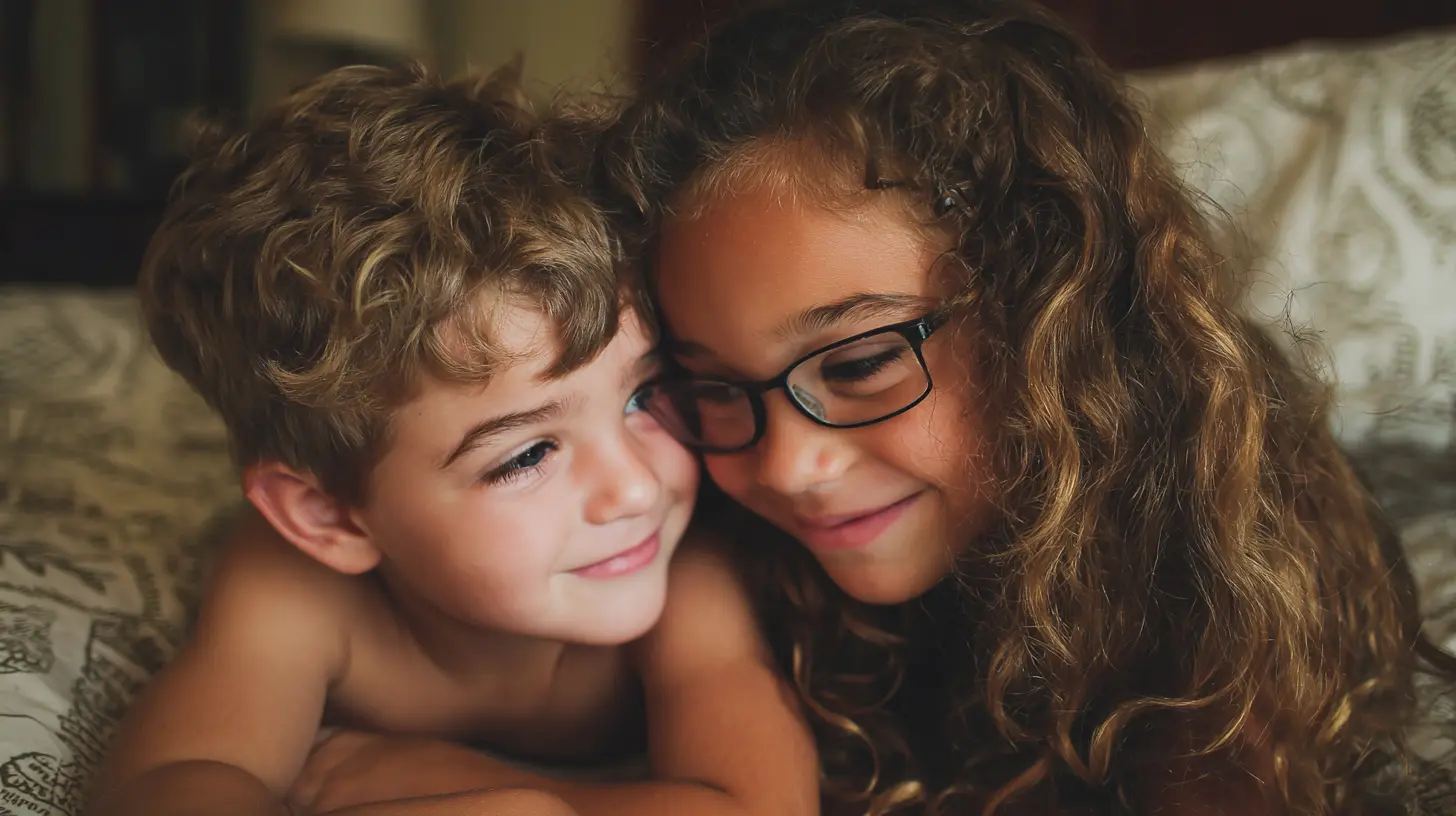
Building a Culture of Belonging
Sibling relationships thrive when children feel they belong to the same tribe. That sense of shared identity is more powerful than any chore chart or reward system. It is the difference between children who see each other as competitors and children who see each other as allies.You can build that culture in small, consistent ways. Family rituals are a good start. A weekly pizza night, a shared joke, a secret handshake, a song you sing in the car. These seem trivial, but they create a shared history that children can point to and say, "This is us." When siblings have a strong shared identity, they are more likely to defend each other in public, comfort each other in private, and forgive each other's mistakes.
Another powerful tool is the family narrative. Tell stories about your children's shared past. "Remember when you two built that fort in the living room and refused to take it down for a week?" "Remember when your sister helped you practice for your spelling test?" These stories remind children that they have been on the same team before, even when today's argument suggests otherwise.
It also helps to avoid comparing children, even in positive ways. Saying "Why can't you be more organized like your brother?" is obviously harmful. But so is saying "You are the smart one and she is the funny one." Labels, even positive ones, box children in and create resentment. Instead, praise specific behaviors without reference to the sibling. "I noticed you put your shoes away without being asked. That is really helpful."
The Art of Stepping Back
One of the hardest skills for parents to develop is knowing when not to intervene. Our instinct is to jump in at the first sign of conflict, to protect the younger one, to stop the screaming, to restore peace. But constant intervention teaches children that they cannot resolve their own problems. It also creates a dynamic where one child is always cast as the victim and the other as the bully, which becomes a self-fulfilling prophecy.Before you step in, ask yourself three questions. First, is anyone in physical danger? If yes, intervene immediately. Second, is this a conflict they could reasonably resolve themselves with a little guidance? If yes, give them a chance. Third, what is my emotional state? If you are already stressed or angry, you are likely to make things worse.
When you do intervene, do not act as a judge. Act as a facilitator. Instead of deciding who is right, help them communicate. Say things like, "I can see you are both upset. Can you tell me what you each need?" Then listen without taking sides. Often, children just want to be heard. Once they feel heard, they can often find their own solution.
There is a difference between letting children work things out and abandoning them to chaos. If a conflict is escalating beyond their ability to manage it, step in calmly and separate them. Give them space to cool down. Then, once everyone is calm, bring them back together to talk it through. The key is to teach the process, not just solve the problem.
The Power of One-on-One Time
Sibling rivalry is often fueled by a scarcity mindset. Children worry that there is not enough love to go around. The most direct way to counter that fear is to give each child regular, undivided attention.This does not have to be elaborate or expensive. Fifteen minutes of focused time each day can be transformative. The key is that it is truly one-on-one. No phone, no other siblings, no agenda. Let the child choose the activity. It could be reading a book, playing a board game, or just talking about their day. The point is that the child has your full presence, without having to compete for it.
When you do this consistently, children stop seeing their siblings as threats to your attention. They know they have their own time coming. This reduces the desperation that fuels so many fights.
It is also important to be mindful of how you talk about each child when the other is not around. If you complain to one child about the other's behavior, you put them in an impossible position. They may feel guilty, or worse, they may use that information to gain leverage. Keep your frustrations between you and your partner, or with another adult. Do not make your children your confidants about each other.
Managing Age Gaps and Different Stages
Siblings with large age gaps face different challenges than those close in age. An older child may feel burdened by babysitting duties. A younger child may feel overshadowed by an older sibling's achievements. Parents often expect the older child to be more mature, to "know better," and to give in more often. That expectation can breed resentment.If you have a large age gap, be careful not to parentify the older child. It is fine to ask a ten-year-old to watch a four-year-old for fifteen minutes while you make dinner. It is not fine to make that a regular expectation or to hold the older child responsible for the younger one's behavior. The older child is still a child. They need their own space and their own time to be immature.
For siblings close in age, the challenges are different. They are often in direct competition for the same resources, whether that is a toy, a parent's lap, or a spot in the car. They are also more likely to compare themselves to each other. In this case, it helps to create clear boundaries around personal property. If a child has a special toy that they do not want to share, respect that. Forcing sharing teaches children that their boundaries do not matter. Instead, teach them to ask, to take turns, and to accept a "no" gracefully.
The Role of Temperament
Some sibling pairs are naturally easygoing. Others clash from the moment they meet. A lot of this comes down to temperament. A high-energy, impulsive child paired with a sensitive, easily overwhelmed child is a recipe for conflict, no matter how good your parenting is.Understanding your children's temperaments can help you set realistic expectations. If one child is easily overstimulated, they may need more quiet time away from their sibling. If the other child craves physical play, they need an outlet that does not involve tackling their sibling. You cannot change who your children are, but you can design your home environment to reduce friction.
For example, if you know that your children always fight when they are hungry, have snacks ready before they get to that point. If they fight over screen time, have clear rules about when screens are allowed and what happens when they are not. If they fight in the car, have a designated "car bag" with activities that only come out during drives. These are not bribes. They are environmental adjustments that prevent predictable problems.
When Sibling Conflict Turns Mean
There is a difference between normal sibling squabbling and behavior that is genuinely harmful. Name-calling, physical aggression, and deliberate cruelty are not acceptable, even if they are common. You need to set a firm boundary that certain behaviors are never okay, regardless of how angry the child is.This is where you need to be the adult. Do not let a child blame their sibling for their own behavior. "He made me hit him" is not an excuse. The child who hit is responsible for their actions. You can acknowledge the provocation while still holding the child accountable for their response. "I understand you were angry because he took your toy. It is still not okay to hit. What could you do differently next time?"
It is also important to protect the younger or more vulnerable child. If an older sibling is consistently aggressive, the younger child needs to know that you will keep them safe. That may mean separating them for a while, or it may mean giving the younger child permission to leave the room when the older one is in a bad mood. Do not tell the younger child to "just ignore it" or "be the bigger person." That places an unfair burden on them.
If you notice that one child is always the aggressor and the other is always the victim, take that seriously. It may be a sign of a deeper issue, such as jealousy, anxiety, or a need for more attention. It is worth talking to a pediatrician or a family therapist if the pattern persists despite your best efforts.
The Long Game
It is easy to get caught up in the daily battles and forget that you are raising adults, not just managing children. The way your children learn to interact with each other now will shape the way they interact with partners, coworkers, and their own children later. That is a heavy responsibility, but it is also an opportunity.When you teach your children to apologize sincerely, you are teaching them to take responsibility for their actions. When you help them negotiate a compromise, you are teaching them conflict resolution skills. When you insist that they treat each other with respect even when they are angry, you are teaching them emotional regulation. These are life skills, not just sibling skills.
It also helps to remember that sibling relationships change over time. Many siblings who fought constantly as children become close friends as adults. The seeds of that future friendship are planted now, in the small moments of shared laughter, in the apologies given and accepted, in the knowledge that someone else in the world remembers what it was like to grow up in your house.
Common Mistakes That Undermine Sibling Bonds
Let us look at some specific mistakes that parents often make without realizing it.The first is taking sides. Even if you are sure one child started it, you do not know the full story. Children are masters of framing a narrative to make themselves look innocent. When you take a side, you confirm the other child's belief that you are unfair and that their sibling is the favorite. This breeds deep resentment.
The second mistake is punishing both children when you cannot determine who is at fault. This feels like a compromise, but it teaches children that they will be punished regardless of their behavior. It also creates a sense of injustice that fuels further conflict.
The third mistake is comparing children to each other, even in praise. "You are so much better at cleaning up than your sister" might seem like a compliment, but it sets up a dynamic where one child is the "good one" and the other is the "bad one." That is a heavy burden for both.
The fourth mistake is expecting the older child to always be the mature one. Yes, an older child has more emotional regulation than a younger one. But they are still a child. They still have big feelings and limited impulse control. Holding them to an adult standard sets them up for failure and resentment.
The fifth mistake is ignoring positive interactions. We are quick to notice when our children fight, but we often overlook when they play well together. Make a point to acknowledge those moments. "I saw you sharing your blocks with your brother. That was really kind." Positive reinforcement is more effective than punishment for building lasting behavior.
Practical Strategies That Actually Work
Let us move from theory to practice. Here are some concrete strategies that can make a real difference in your home.First, create a family meeting ritual. Once a week, gather everyone and let each person share something they appreciated about a sibling and something they wish was different. This gives children a structured way to voice concerns without it turning into a fight. It also teaches them that problems can be discussed openly and solved together.
Second, use "I feel" statements during conflicts. Instead of "You always take my stuff," teach your child to say "I feel frustrated when you take my things without asking." This shifts the focus from blame to communication. It is not a magic fix, but it is a useful tool.
Third, build in opportunities for cooperation. Give your children a shared task that requires them to work together, like building a fort, baking cookies, or planning a surprise for a parent. When children succeed together, they build positive memories and a sense of shared accomplishment.
Fourth, have a clear plan for handling fights. Decide in advance what you will do when a conflict arises. Will you separate them? Will you have a "cool down" corner? Will you use a timer for sharing? Having a plan reduces your own reactivity and gives you a script to fall back on when emotions run high.
Fifth, model healthy conflict resolution in your own relationships. Your children are watching how you handle disagreements with your partner, your friends, and your own siblings. If they see you apologize, listen, and compromise, they will learn that conflict is not scary. It is just a part of being in a relationship.
When to Seek Help
There are times when sibling conflict goes beyond normal and requires professional support. If one child is consistently injured, if the conflict is affecting a child's mental health, if a child is being scapegoated by the rest of the family, or if your own stress is becoming unmanageable, it is wise to seek help. A family therapist can help you identify patterns that you cannot see from the inside and give you tools that are tailored to your specific family dynamic.There is no shame in asking for help. Parenting is hard, and sibling relationships are one of the hardest parts. The fact that you are reading this article means you care. That is the most important ingredient.
A Final Thought
Your children will not remember every argument they had. They will remember the feeling of being safe at home. They will remember the inside jokes, the shared secrets, the way you stood up for them when they were wronged. They will remember that you created a place where they could be themselves, even when they were not at their best.Creating a home where siblings thrive together is not about eliminating conflict. It is about building a foundation of love and respect that can withstand conflict. It is about teaching your children that they are on the same team, even when they forget it. It is about showing them that family is not about being the same. It is about belonging to each other.
That is a gift that will last far beyond childhood. It is the gift of knowing that, no matter what happens in life, there is someone who shares your history, who understands your family's quirks, and who will always be your brother or your sister. That is worth every difficult moment of parenting.
all images in this post were generated using AI tools
Category:
Sibling RelationshipsAuthor:

Max Shaffer
Discussion
rate this article
2 comments
Kimberly McNulty
What a wonderful article! It's heartwarming to see practical tips for fostering sibling bonds. Encouraging teamwork and understanding among siblings can truly create a loving home. Thanks for sharing such valuable insights that can help families nurture these precious relationships.
September 9, 2026 at 3:48 PM
Max Shaffer
Thank you! I'm glad you found the tips helpful. Fostering those bonds is so important for a loving home.
Honor Scott
This article offers practical insights for fostering sibling bonds. I've seen how understanding and shared experiences can transform relationships. It's inspiring to think about how we can support our kids in thriving together.
August 31, 2026 at 3:54 PM
Max Shaffer
Thank you for sharing your thoughts! It's great to hear that you found the insights helpful. Supporting sibling relationships truly makes a difference.