Building Gratitude Through Family Traditions and Rituals
13 January 2026
Gratitude isn't just about saying "thank you." It’s a mindset. A way of seeing life through a lens of appreciation. And guess what? It can be taught. One of the most powerful ways to raise thankful, grounded kids is by weaving gratitude into the very structure of your family life—through meaningful traditions and rituals.
Sounds simple, right? That’s because it is. But it’s also profound.
In this article, we’re going to dig deep into how you can plant the seeds of gratitude in your home—day by day, tradition by tradition. So, grab a cup of coffee, get comfy, and let’s talk about building a legacy of thankfulness in your family that lasts a lifetime.
Why Family Traditions Matter More Than You Think
Family traditions aren’t just cute ideas for holidays or birthdays. They’re emotional glue. They give your kids a sense of belonging, stability, and identity.Think about it—those simple, repeatable activities your family does again and again? They become the building blocks of childhood memories. When those moments are filled with gratitude, you're not just creating warm fuzzy feelings—you're raising kids who see the beauty in everyday life.
And here’s the kicker: you don’t need a Pinterest-perfect plan to make this work. You just need heart, consistency, and a dash of creativity.
Gratitude Is More Than a Buzzword
Before we go deeper, let’s be real: kids don't come automatically wired with gratitude. Ever seen a toddler throw a tantrum over getting the blue cup instead of the red one? Exactly.Gratitude is a learned skill. And like any skill, it takes practice.
Studies have shown that families who regularly engage in gratitude rituals—things like saying what they’re thankful for at dinner—raise children who are more empathetic, resilient, and optimistic.
So, if you think building traditions that promote thankfulness is just fluff, think again. This is the real deal.
Everyday Rituals That Nurture Grateful Hearts
Not every tradition has to be tied to a holiday. In fact, it’s the small, everyday rituals that often leave the biggest impact. Here are a few gratitude-focused routines you can start today:1. The Gratitude Dinner Circle
Pick a night of the week—maybe Sunday dinner—and go around the table sharing one thing each person is thankful for. It can be simple: “I’m thankful for my warm bed” or “I’m grateful we ate pancakes this morning.”Kids learn by watching. When they hear YOU express appreciation for everyday things, they’ll start seeing those things too.
2. Morning Thank-You Notes
Create a little “Gratitude Station” with sticky notes and crayons. Each morning, challenge your kids (and yourself!) to write or draw something they’re grateful for. Stick it on the fridge or a “Thankful Wall.”It becomes a colorful collage of joy.
3. The Bedtime Gratitude Ritual
End the day on a high note. As part of your bedtime routine, ask your children: “What was the best part of your day?” or “What is something you’re thankful for today?”This helps them reflect and fall asleep feeling grounded and happy—even if the day wasn’t perfect.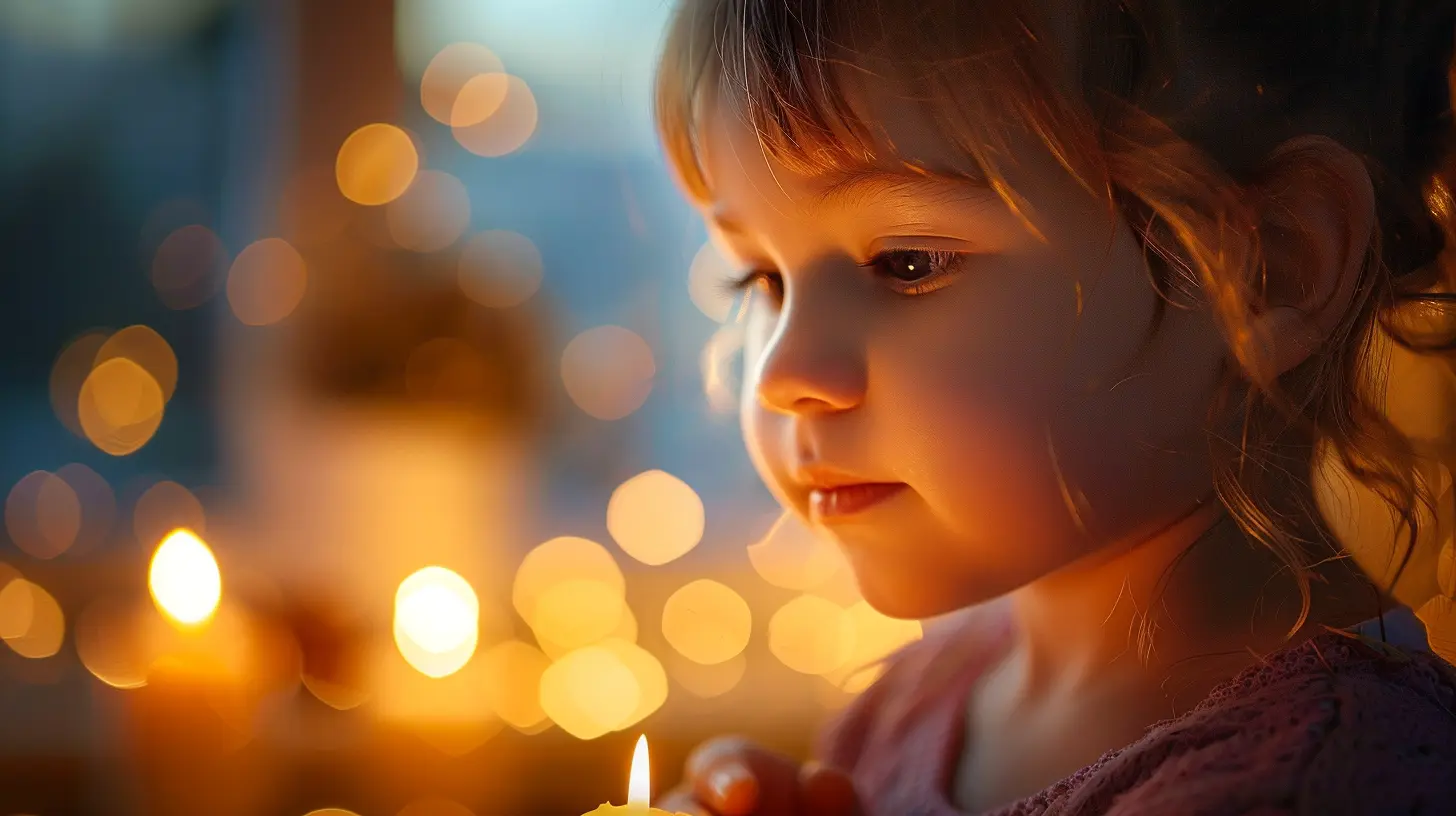
Holiday Traditions That Strengthen Gratitude
Holidays are obvious—and awesome—opportunities to build deeper traditions. You can absolutely enjoy the gifts, the food, the decorations... but let’s also make room for appreciation.Here’s how:
1. Thanksgiving Thank-You Jars
Instead of just going around the table (which is great, too), make a “Thank You Jar” a month before Thanksgiving. Every day, each family member drops in a note of appreciation. On Thanksgiving, read them aloud.It turns one day of thanks into a month-long celebration.
2. Giving Before Getting
During the winter holidays, start a “Give Before You Get” ritual. Encourage your kids to donate toys they no longer use, make cards for nursing homes, or bake cookies for neighbors.When kids see the joy of giving, it shifts their perspective big time.
3. New Year’s Reflection Night
On New Year’s Eve or New Year’s Day, cozy up together and reflect on the highlights of the past year. What are you grateful for? What were the biggest blessings? What challenges did you overcome?Turn gratitude into the theme of your year’s beginning.
Seasonal Traditions That Cultivate Thankfulness
Each season brings natural opportunities to slow down and be thankful. Here are a few ideas to make the most of those moments:Spring: Plant a Gratitude Garden
No green thumb required! Have each family member pick a flower or veggie to plant and assign it a “gratitude meaning.” For example, sunflowers = joy, tomatoes = love, herbs = peace.As the garden grows, so does your family’s awareness of life’s gifts.
Summer: Gratitude Walks
Take evening strolls and call them “Gratitude Walks.” As you walk, take turns pointing out things you’re thankful for—colorful flowers, a cool breeze, a friendly neighbor.The world becomes a richer, more beautiful place when we walk through it with thankful eyes.
Fall: Thankful Tree Craft
Cut out leaves from colorful paper and write something you’re grateful for on each leaf. Tape them to a wall to create a “Thankful Tree.” Watch it grow all season long.It’s crafty, fun, and full of meaning.
Winter: Cozy Nights of Thanks
Pick a weekly night where everyone puts away screens, grabs a blanket, and shares stories about things they’re grateful for—even from the past. These cozy moments are like emotional fireplaces—warming everyone up inside.Creating Your Own Meaningful Family Traditions
Let’s get one thing straight: your family’s traditions don’t have to look like anyone else’s. The most important part? They’re yours.Here are some tips to get started:
- Start Small: One new ritual at a time. Don’t overwhelm yourself.
- Be Consistent: Repeating it makes it a tradition.
- Make it Fun: Gratitude doesn’t have to be serious or stiff.
- Get Creative: Include music, art, food—whatever your family loves.
- Let Kids Lead: Let them invent their own traditions too!
The goal isn’t perfection. It’s connection.
How Gratitude Changes Family Dynamics
This might sound like a big claim, but we’re going to say it anyway: gratitude transforms families.When gratitude becomes a habit, arguments happen less often. People complain less. Joy shows up more. Kids get along better. And parents feel more appreciated.
Why? Because gratitude shifts focus from what’s missing to what’s present. And in family life, where chaos often reigns, that shift is everything.
Imagine this: Instead of yelling about a messy room, you thank your child for the part they did clean. Instead of stressing over to-do lists, you pause to appreciate the little moments—a shared joke, a quiet cuddle, a victorious spelling test.
Gratitude doesn’t make life perfect. But it sure makes it sweeter.
Passing on a Legacy of Thanks
One day, your kids will talk about the traditions you built together. They’ll remember the Sunday night gratitude dinners, the Thanksgiving jar, the bedtime reflections. And, maybe, they’ll carry those rituals into their own families.That’s the legacy.
Because when you teach your kids to build their lives on gratitude, you’re giving them more than happy memories—you’re giving them a life skill that will carry them through every high and low.
They’ll know how to spot the silver lining. How to say thank you, even when things are tough. How to focus on what’s good and beautiful and meaningful.
That’s powerful. That’s parenting done right.
Final Thoughts: Start Today, Start Small
You don’t have to wait for a holiday, a perfect moment, or a master plan. You can start right now. Pick one idea from this article and try it tonight.Will it be messy sometimes? Yep.
Will your kids roll their eyes? Probably.
Will it be worth it? Absolutely.
Because building gratitude through family traditions and rituals isn't just about parenting. It’s about creating a family culture rooted in love, connection, and joy.
And that, my friend, is pure magic.
all images in this post were generated using AI tools
Category:
Teaching GratitudeAuthor:

Max Shaffer
Discussion
rate this article
2 comments
Aelith West
What a wonderful reminder of the power of gratitude in family life! Incorporating traditions and rituals not only strengthens our bonds but also teaches our children the value of appreciation. I can’t wait to try some of these ideas with my family—thank you for the inspiration!
January 30, 2026 at 5:51 PM
Max Shaffer
Thank you for your kind words! I'm glad you found the ideas inspiring—wishing you and your family many meaningful moments together!
Zyana Ramirez
What a wonderful reminder! Embracing gratitude through family traditions not only strengthens our bonds but also creates joyful memories. Let's cherish these moments together and sprinkle a little gratitude into our daily lives—after all, a grateful heart is a happy heart! 🌟
January 14, 2026 at 4:40 AM
Max Shaffer
Thank you for your thoughtful comment! I completely agree—family traditions foster gratitude and create lasting joy. Let's continue to celebrate these special moments together! 🌟