Balancing Fairness and Individuality in Sibling Relationships
24 June 2026
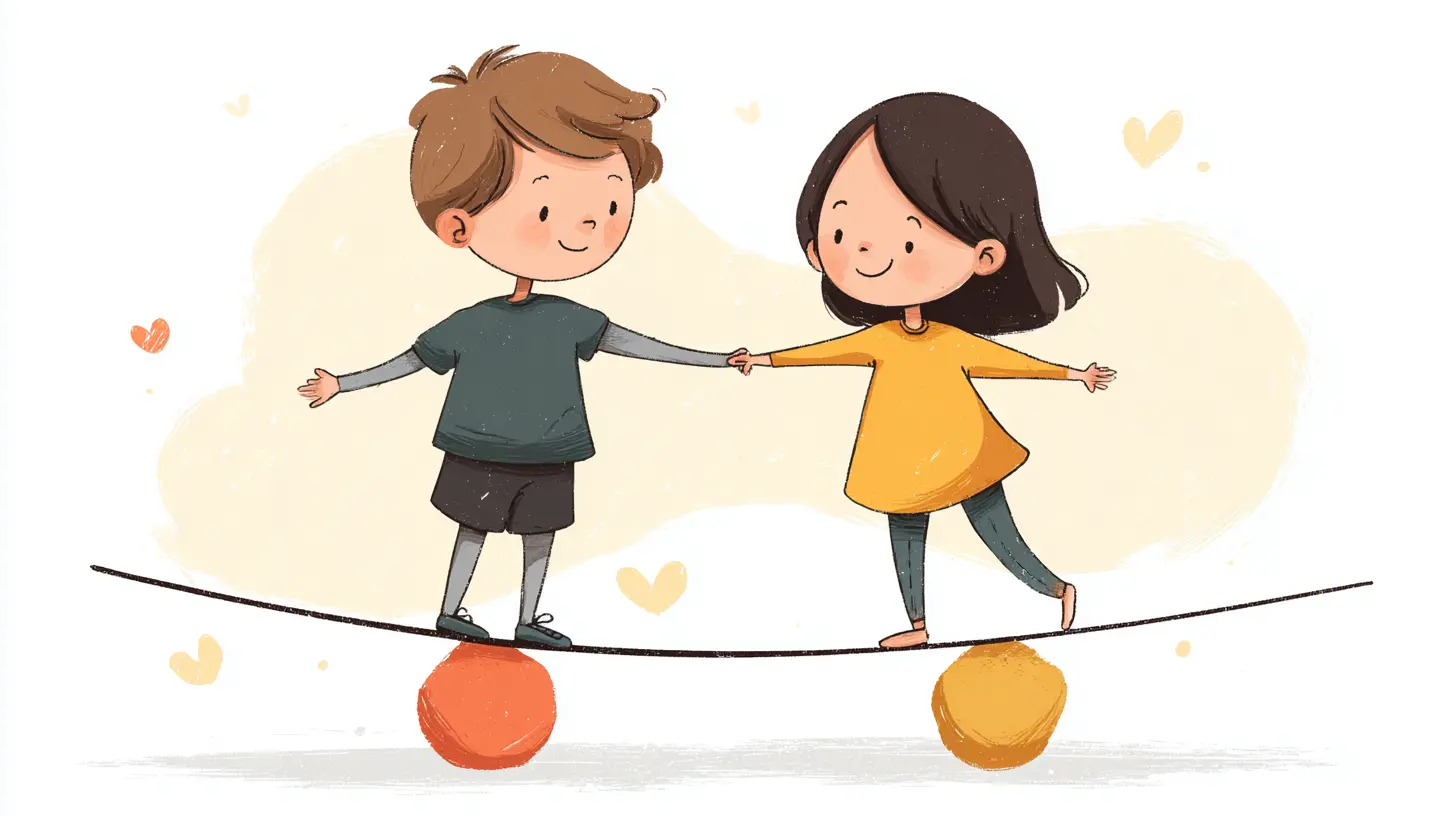
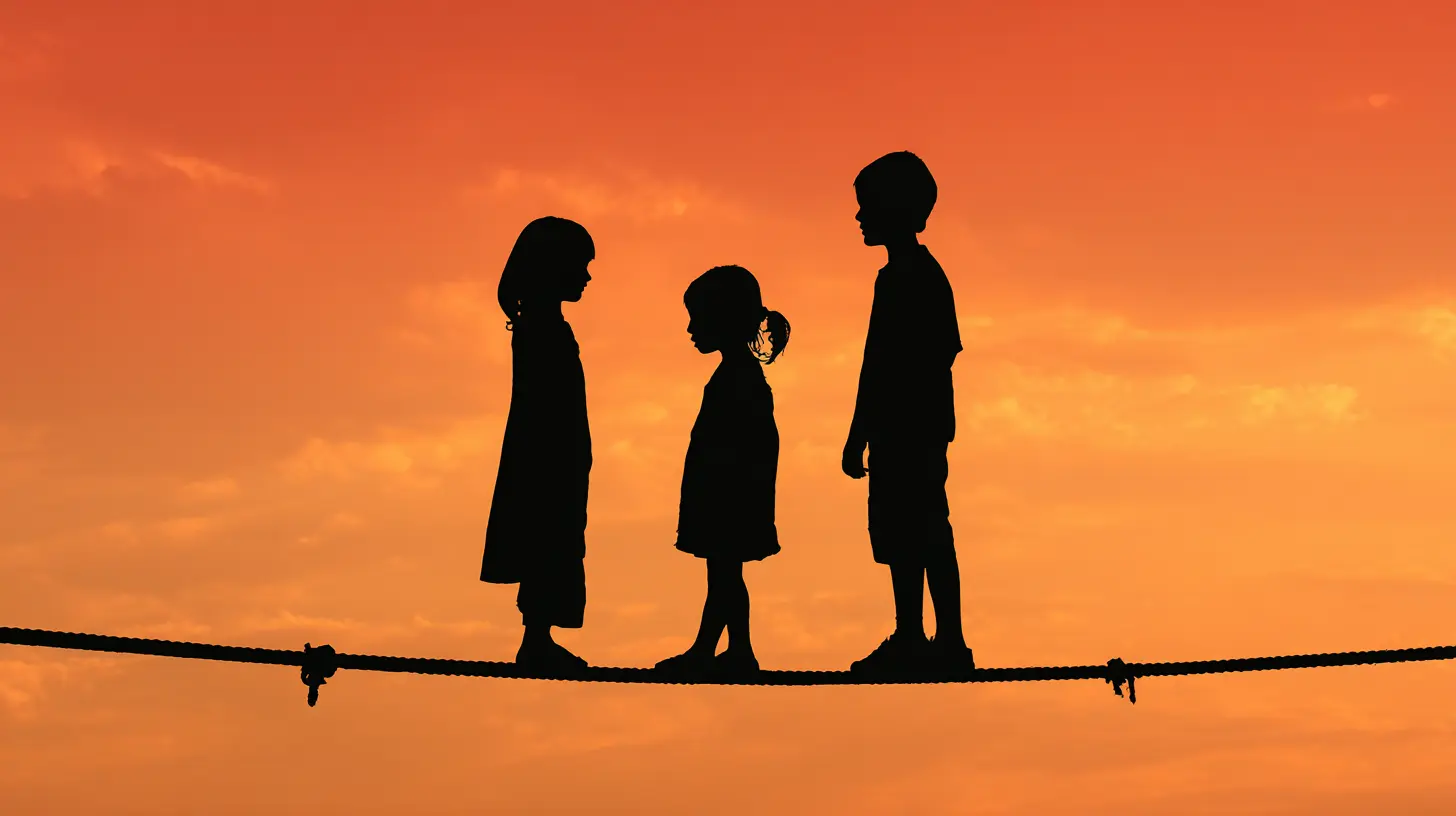
Let’s be real—parenting more than one child is a balancing act that can feel more like a tightrope walk some days. One of the biggest struggles that almost every parent faces is figuring out how to keep things fair without crushing each child’s unique personality in the process.
We all want our kids to grow up feeling equally loved and seen. But what happens when fairness starts sounding like “everyone gets the same” and individuality starts screaming, “I’m different, so treat me differently!”? That, my fellow parents, is the tangled web we’re going to unpack today.
Why Fairness Feels So Important to Parents
From the moment your second child arrives, the issue of fairness suddenly becomes front and center. It’s no longer just about meeting one child’s needs—it’s about balancing multiple needs without tipping the scale.It makes sense, right? We want to avoid sibling rivalry. We want both kids to feel like they matter the same. And often, we think the best way to do that is by keeping things “equal.”
You gave your son a cookie? Well, your daughter better get one too.
Your oldest got a new toy for her birthday? Your youngest now expects the same scale of gift six months later.
It’s exhausting. And the thing is—it’s kind of a trap.
Fairness Isn’t Always Equal
Here’s the truth that might just change the way you parent: Fair doesn’t always mean equal.Let that sink in.
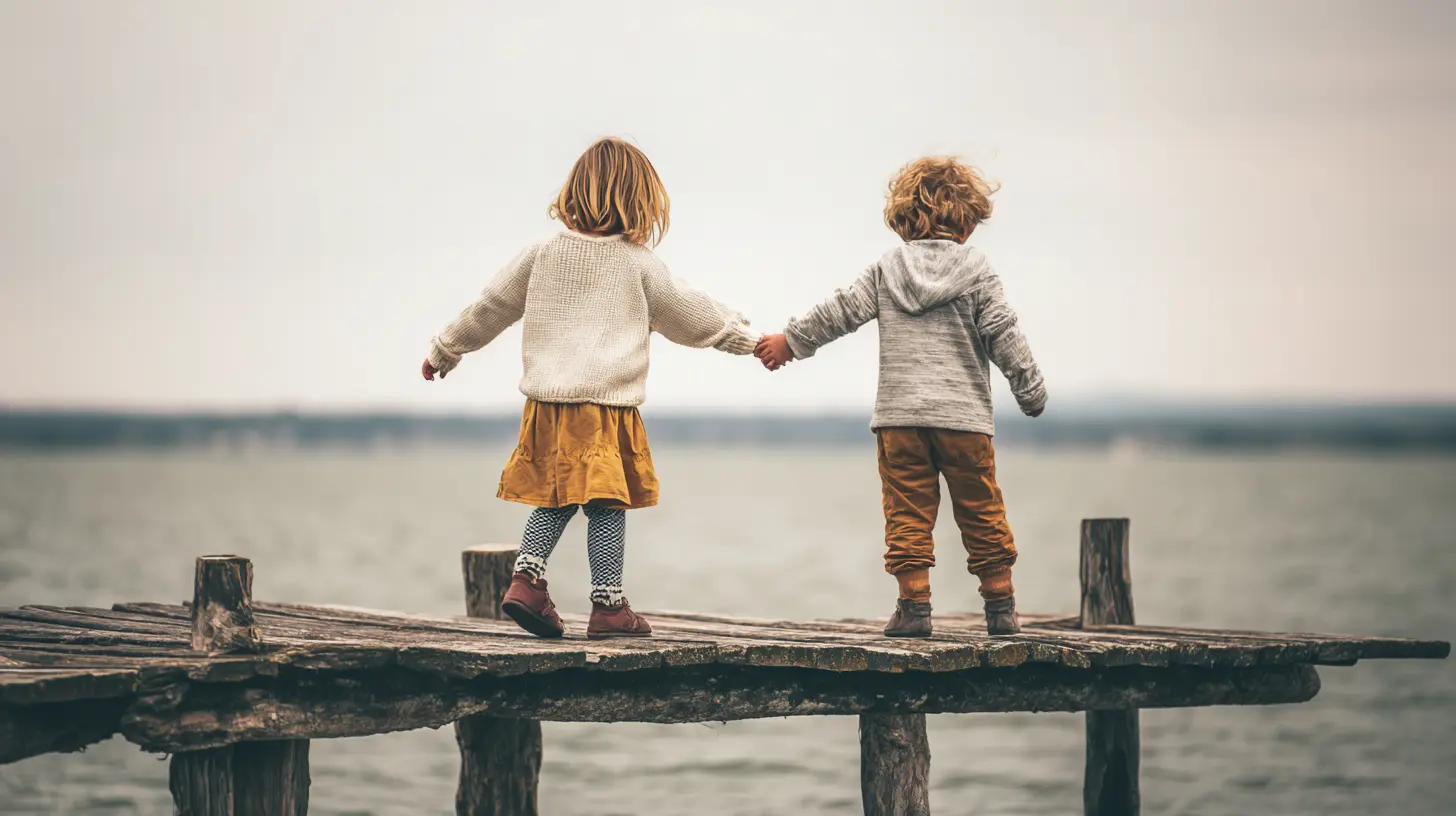
Fairness is about meeting each child where they are, not doing the exact same thing for everyone. Equality is giving everybody the same shoes. Fairness is giving everyone shoes that fit.
So when your younger child throws a tantrum because they didn’t get a toy like their big sister, and you’re tempted to give in for the sake of “fairness,” take a breath. Ask yourself: Is this situation really unfair, or just different?
The Problem with “One-Size-Fits-All” Parenting
Ever try buying clothes labeled “one size fits all”? Total lie, right? Parenting the same way for every child is kind of like that. Kids are not carbon copies. They come with their own quirks, strengths, fears, sensitivities, and preferences.Some kids need structure. Others thrive in a little chaos. One kid might need a tight bedtime schedule to function the next day, while their sibling somehow functions on five hours of sleep and a handful of cereal.
If you try to parent both kids exactly the same way, guess what? Someone is going to end up feeling misunderstood or ignored.
Individuality Deserves the Spotlight
It might feel scary to treat your kids differently because, well, won't that make one feel left out or less loved? Not necessarily. What it does is show each child that you see them.Recognizing their individuality helps kids understand that they don’t need to compete for your attention or mirror their sibling to be valued.
Here’s an example.
Let’s say your oldest kid is super independent. They live for their Lego sets and love a quiet room. Your younger child, on the other hand, is a social butterfly who needs a lot of interaction.
If you plan a solo activity night for the older child but a group playdate for the younger, that’s not favoritism. That’s parenting to their needs. That’s respecting who they are.
Sibling Comparisons—Just Don’t Go There
We’ve all let it slip at some point. “Why can’t you be more like your brother? He always finishes his homework on time.”Cue the eye roll. Cue the shame you didn’t mean to drop on your kid.
Comparisons between siblings do one thing extremely well: damage.
They create invisible checklists and unspoken rankings in your kids’ heads. They start seeing themselves as “better” or “worse,” and that never ends well. Here’s a better approach: compare each child to their own progress, not to their sibling.
“Last week, you had a hard time with your math, but look at you now! You figured out that long division problem like a champ.”
Now that is a confidence boost that doesn’t cost anything.
Setting Boundaries: Fairness Has Limits
Let’s get real about something: just because you're being fair doesn’t mean your kids are going to feel like it’s fair.You might allow your teenager a later bedtime because they’re older and more responsible. Your 10-year-old might cry about wanting the same thing. That doesn’t mean you’re wrong. It means you have an opportunity to explain.
Kids don’t automatically understand nuance. It’s your job to explain the “why” behind your actions.
And trust me—explaining your reasoning (without lecturing) builds respect and empathy. It helps kids understand that fairness isn’t favoritism; it’s intentional parenting.
Teaching Kids to Celebrate Each Other’s Differences
This might be the holy grail of parenting siblings: getting them to appreciate each other’s uniqueness.Easier said than done? Maybe. But it starts with YOU.
When you point out the positive differences between your kids—with admiration, not comparison—they start doing it too.
“Wow, your brother is really into drawing. That’s his special gift. And you’re amazing at building and problem-solving. That’s what makes you awesome.”
It reframes their mindset from “I have to be like them” to “I have my own strengths.”
Make Room for One-on-One Time
Even in the busiest households, carving out one-on-one time with each child is a total game changer. It’s like a reset button for connection.You don’t have to plan elaborate outings. Even a walk around the block, reading a book together, or grabbing ice cream can be powerful. It sends a simple but loud message: You matter. Just you.
And when each child feels valued individually, they’re a lot less likely to battle for attention collectively.
Handling “It’s Not Fair!”—Without Losing Your Cool
Every parent hears this phrase on repeat: “But that’s not fair!”Here’s a tip: don’t get defensive. Instead, get curious.
Ask questions like:
- What feels unfair to you?
- Can you help me understand why that upset you?
- What do you need right now?
These questions do two things. First, they show your child that their feelings count (even if their argument doesn’t hold up). Second, they help you figure out what’s really going on underneath the complaint.
Spoiler alert: many times, it’s not about fairness at all. It’s about attention.
A Word on Birth Order Dynamics
Let’s talk birth order for a minute because, whether we like it or not, it plays a role.Firstborns often carry the “responsible” label. Youngest kids are sometimes seen as “spoiled.” Middle kids? Oh, the classic “forgotten child” syndrome.
Being aware of these stereotypes helps us adjust our expectations. Maybe your firstborn doesn’t need to be the family leader 24/7. Maybe your youngest deserves some responsibilities too.
The goal is to challenge the idea that a child’s role in the family is fixed. Kids should be growing into who they are, not who the family dynamic says they should be.
Celebrate Together, But Shine Individually
Family events, birthdays, milestones—these are great for celebrating everyone. But remember to let each child have their moment in the spotlight.If your daughter got a big part in the school play, cheer like crazy for her. Let her have that moment without tacking on, “And your brother got an A in math!”
It’s not about keeping the scales even. It’s about giving each child what they need to feel seen and celebrated.
Real-Life Isn’t Always 50/50—and That’s Okay
Life isn’t always balanced. Someone gets sick. One kid struggles in school. Another needs more attention for a while. It’s okay if the scales tip sometimes.What matters is consistency over time. Do your kids know that you’ve got their back? Do they feel emotionally safe with you, even when things aren’t even-steven?
Kids quickly learn when you're giving your best. And if they see effort, compassion, and honesty, they learn to do the same.
Let’s Wrap This Up—With a Little Grace
Balancing fairness and individuality in sibling relationships isn’t a science. It’s more of an art. And like any good artist, you’ll make mistakes, sketch over some lines, and maybe even throw your hands up at the chaos occasionally.But here’s the deal: when you lead with love, stay open to listening, and keep showing up for each of your kids as the unique humans they are, you’re doing a heck of a lot better than you think.
Fair doesn’t mean equal. Individuality isn’t favoritism. And your children will remember how you made them feel—not how perfectly you divided the birthday cake.
So breathe, hug those little weirdos tight, and trust that raising siblings who love themselves and each other is not only possible—it’s powerful.
all images in this post were generated using AI tools
Category:
Sibling BondingAuthor:

Max Shaffer
Discussion
rate this article
2 comments
Sheena Wyatt
This article beautifully highlights the delicate dance of fairness and individuality in sibling relationships. Embracing each child's uniqueness while fostering fairness can create a loving and supportive family environment. Thank you for sharing such valuable insights!
August 8, 2026 at 4:39 PM
Max Shaffer
Thank you for your thoughtful comment! I'm glad the article resonated with you. Balancing fairness and individuality is so important in nurturing strong sibling bonds.
Kristy McKnight
Sibling relationships thrive on both fairness and individuality. Encouraging each child's unique qualities while fostering a sense of equality can create a harmonious environment. It's about understanding their differences while nurturing a shared bond of love and respect.
July 2, 2026 at 4:54 AM
Max Shaffer
Absolutely, balancing fairness and individuality enriches sibling bonds. Embracing each child's uniqueness while promoting equality fosters love and respect among siblings. It's a delicate but rewarding approach.